
10
May
At Pure Farm Fresh, we believe in clean, transparent, and affordable wellness options for all Canadians. But new natural product rules Canada has implemented are raising serious concerns. From increased regulatory fees to stricter labelling requirements, these Health Canada changes may threaten access to the very supplements, herbal remedies, and traditional medicines that millions of Canadians rely on.
In this article, we’ll walk you through what’s changing, why the industry is pushing back, and what it means for your health choices in 2025 and beyond.
What Are the New Natural Product Rules in Canada?
Health Canada has rolled out a series of regulatory updates aimed at improving the safety, quality, and oversight of natural health products (NHPs)—including vitamins, homeopathics, probiotics, and herbal supplements. These changes are part of an evolving strategy to align NHP oversight with the frameworks already used for drugs and over-the-counter medications.
The three most impactful changes are:
1. New Labelling Requirements
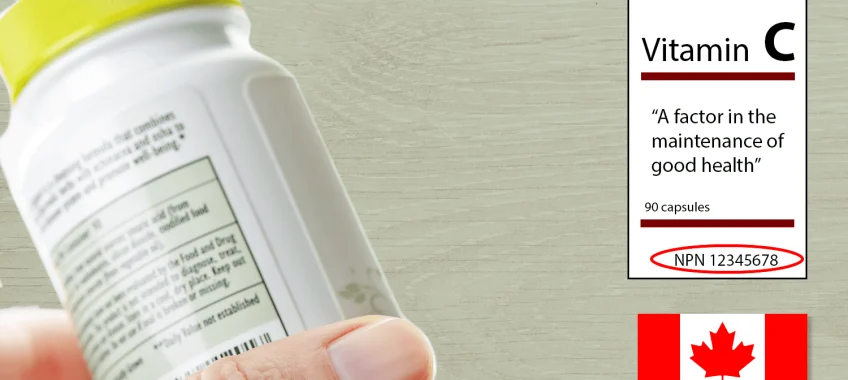
Starting June 21, 2025, all NHPs must follow new standardized labelling rules, including:
- A Product Facts Table on the label (similar to food products)
- Clearer ingredient lists
- Standardized font sizes and formatting for better readability
This aims to help consumers make informed choices but adds complexity and cost to production. Companies will have until June 22, 2028 to comply if their products were licensed before the rule took effect (Health Canada source).
2. Cost Recovery and Regulatory Fees
One of the most controversial updates: starting December 1, 2025, Health Canada will introduce new fees to cover the cost of regulating NHPs. These include:
- Application fees for product approvals
- Annual “right to sell” fees
- Site licensing fees
For small businesses, these costs could reach thousands per year—even tens of thousands for brands with broad product lines. This shift aligns with how pharmaceutical and non-prescription drugs are regulated, but critics argue it’s excessive for low-risk products (Health Canada fee guide).
3. Manufacturing and Licensing Oversight
Since April 2024, Health Canada’s Regulatory Operations and Enforcement Branch (ROEB) now oversees NHP site licensing. This move consolidates oversight under one branch, which also monitors drugs and medical devices—prompting fears that natural remedies will be treated like pharmaceuticals.
Why the Pushback?
Critics of the new natural product rules Canada has enacted say these changes could do more harm than good. Here’s why:
1. Risk to Small Businesses
The Canadian Health Food Association (CHFA) says these fees threaten the survival of independent producers, small brands, and herbal practitioners. While large corporations may afford the fees, small businesses will struggle—or shut down entirely. As a result, product diversity will shrink, and consolidation will favor multinational players (CHFA Advocacy).
“These are not high-margin products. This will drive small companies out of the market and restrict consumer choice.” — CHFA Statement
2. Limited Access and Higher Prices
If fewer companies can afford to meet the new compliance rules, consumers will likely face fewer options on store shelves—and higher retail prices. That means many Canadians may be forced to shop from unregulated online sources or lose access to the natural remedies they’ve relied on for years.
3. Threat to Traditional & Indigenous Medicines
Many traditional and Indigenous medicines don’t fit easily into Health Canada’s documentation and manufacturing models. New supplement regulations risk erasing access to cultural healing practices by demanding scientific evidence that doesn’t account for oral histories and traditional preparation methods.
4. Inadequate Consultation
Industry groups argue that these sweeping changes were made without sufficient input from NHP stakeholders. Although consultations were held, many feel their concerns were ignored. A CHFA-led petition gathered over 100,000 consumer signatures opposing the new rules, asking the government to “save our supplements.”
What Health Canada Says
Health Canada argues the changes are long overdue. The agency cites several motivations:
- Addressing concerns from a 2021 Auditor General report highlighting weak oversight
- Ensuring product safety and quality across all health-related goods
- Providing transparency and consistency for consumers
- Recovering regulatory costs fairly
They maintain that cost recovery fees are modest compared to pharmaceutical standards and that small businesses may qualify for reduced rates (Health Canada cost structure).
How Canadians Use Natural Products
According to the CHFA, 77% of Canadians use natural health products regularly—including supplements, vitamins, and herbal remedies. These are often essential tools for people managing:
- Chronic inflammation
- Digestive issues
- Hormonal balance
- Stress and anxiety
- Immune support
- Cultural or traditional wellness practices
In rural or under-resourced areas, these products may even supplement gaps in conventional care.
Our Recommendations
At Pure Farm Fresh, we support safe, high-quality natural products. But we also believe the current regulatory path needs to:
✔ Protect Small Businesses
Offer graduated or waived fees for micro and small businesses to preserve market diversity and innovation.
✔ Support Traditional Knowledge
Recognize Indigenous and culturally rooted practices through alternative pathways to approval and documentation.
✔ Ensure Affordable Access
Limit excessive costs that will be passed on to consumers—especially in vulnerable or rural communities.
✔ Maintain Open Dialogue
Include industry, consumers, and practitioners in transparent consultation processes moving forward.
What You Can Do
Concerned about the future of your supplements, herbal remedies, or trusted wellness brands?
Here’s how you can take action:
- Sign the CHFA Petition: Save Our Supplements
- Write to Your MP: Ask them to advocate for fair, accessible regulation.
- Support Local: Buy from small, Canadian-owned brands who need your support now more than ever.
- Stay Informed: Follow updates on Health Canada’s NHP regulation page.
Conclusion
The new natural product rules Canada has introduced are meant to improve safety—but without adjustments, they may do more harm than good. Small businesses, consumers, and communities must work together to ensure that natural health remains accessible, affordable, and diverse.
At Pure Farm Fresh, we’re committed to keeping you informed and empowered as these changes unfold. Because natural health should remain a right—not a luxury.
📚 External References & Sources
- Health Canada – Labelling Requirements for Natural Health Products
https://www.canada.ca/en/health-canada/services/drugs-health-products/natural-non-prescription/legislation-guidelines/guidance-documents/labelling.html - Canada Gazette – Regulations Amending the Natural Health Products Regulations (Labelling)
https://gazette.gc.ca/rp-pr/p2/2025/2025-03-26/html/sor-dors94-eng.html - Health Canada – Proposed Cost Recovery for Natural Health Products
https://www.canada.ca/en/health-canada/programs/consultation-proposed-fees-natural-health-products/fees-fee-policy.html - Health Canada – Revisions to Proposed Fees for Natural Health Products
https://www.canada.ca/en/health-canada/services/drugs-health-products/natural-non-prescription/regulation/cost-recovery/revisions-proposed-fees.html - Health Canada – Natural Health Products Overview
https://www.canada.ca/en/health-canada/services/drugs-health-products/natural-non-prescription.html - Canadian Health Food Association (CHFA) – Save Our Supplements Campaign
https://chfa.ca/advocacy/nhps-save-our-supplements - CHFA – Open Letter to Health Canada on Regulatory Burden
https://chfa.ca/news-post/letter-to-health-canada - CHFA – Industry Warnings on Natural Product Rules
https://chfa.ca/news-post/health-canada-risks-selling-out-natural-health-industry-to-us-corporations